




03/06/2026
Playing through pain
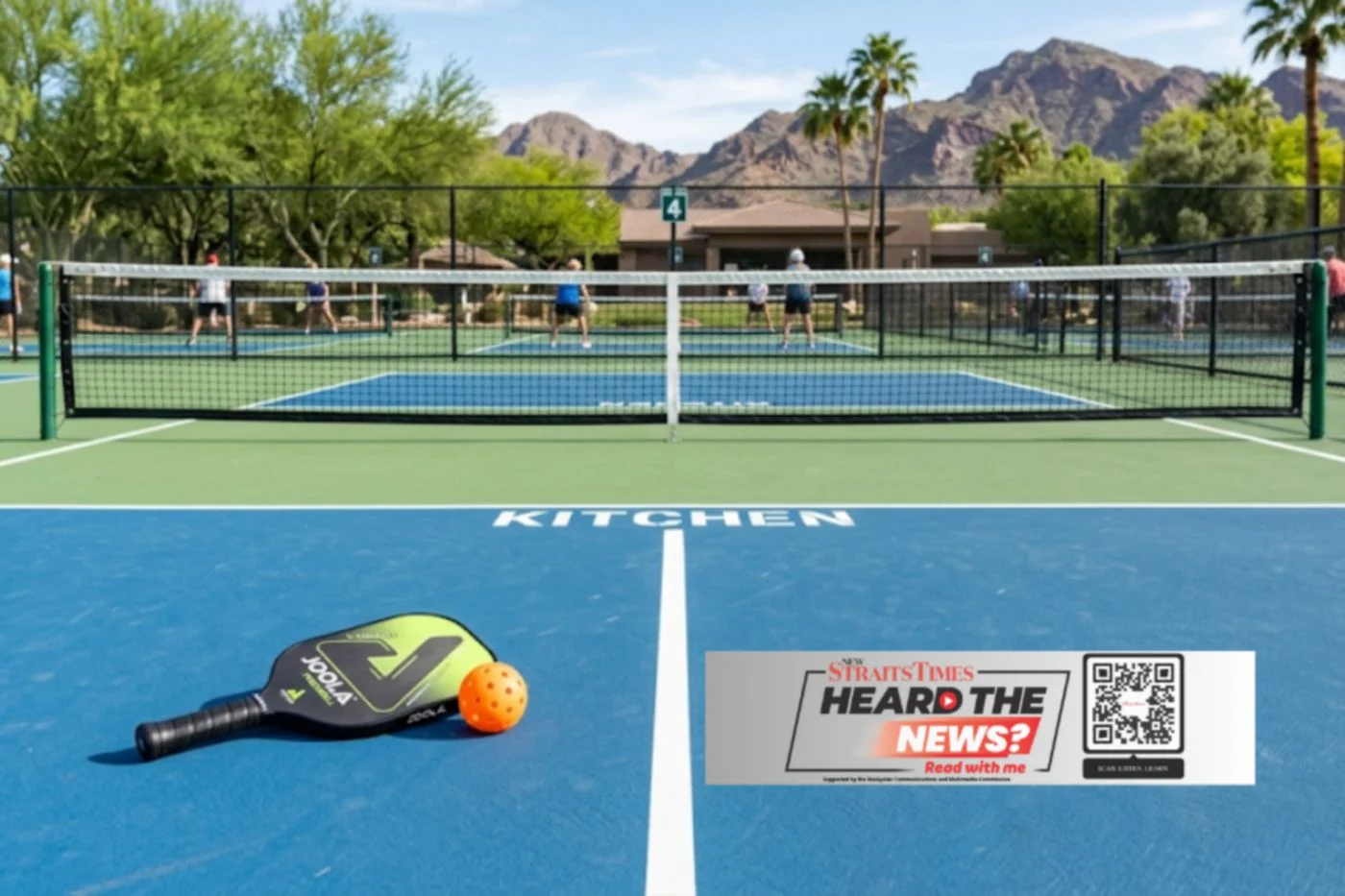 Pickleball courts are popping up everywhere, attracting working professionals. NSTP file pic, for illustration purposes only. AI-generated image.
Badminton halls fill up on weekday nights, and football and futsal games fill weekend schedules.
Also, pickleball courts are popping up everywhere, attracting working professionals.
However, this trend is giving rise to soft tissue and ligament injuries among recreational players and returning athletes who jump into sports before their bodies are ready.
Sunway Medical Centre Damansara consultant orthopaedic trauma, sport and robotic surgeon Dr Gan Eng Cheng says that in younger patients, the most common conditions are shoulder and elbow tendinitis, ankle sprains, knee ligament tears, and delayed onset muscle soreness.
"In older patients, we see lower back and neck pain from pre-existing spondylosis, nerve impingement, and aggravation of underlying knee osteoarthritis."
Additionally, in those with osteoporosis, falls during activity can result in fractures.
One of the biggest challenges with soft tissue injuries is how easily they are ignored.
Unlike fractures, they rarely cause immediate pain or visible signs, and instead begin as mild discomfort or ache.
Sunway Medical Centre Damansara consultant orthopaedic trauma, sport and robotic surgeon Dr Raymond Yeak Dieu Kiat says this is why most patients lose the window for early intervention.
He says joints not essential for weight-bearing, particularly the shoulder, are often ignored the longest.
Knowing the difference between soreness and injury matters. Delayed onset muscle soreness peaks 24 to 48 hours after exercise, feels dull and generalised, and tends to ease once you warm up.
An injury, by contrast, is sharp and localised — felt during activity, worsening with movement, and almost always on just one side.
"If you can point to exactly where it hurts, that is already a signal worth taking seriously."
Playing through that signal has consequences beyond the original injury. The brain shifts load away from the uncomfortable joint, quietly altering movement patterns and overburdening other areas.
A neglected ankle, for example, can eventually become a hip problem, or a small meniscal tear can progress to a full tear requiring surgery.
The key is to play smart, not hard. The conversation around sports injuries tends to centre on what went wrong. More important, however, is what happens next — and how players adjust their approach going forward.
回到上页